
From memecoins to machines: Why Web3’s ‘real economy’ narrative is relevant in 2026
 By Betty Lynn
From Memecoins to Machines: Why Web3's "Real Economy" Narrative is Relevant in 2026
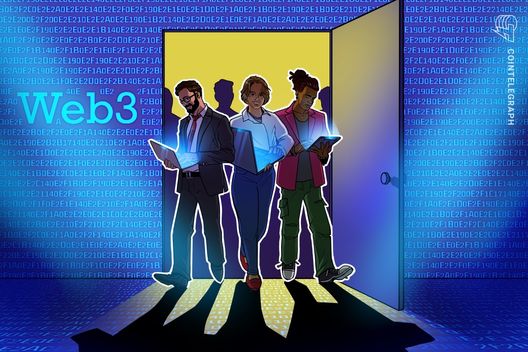
The Web3 landscape is evolving. Once dominated by memecoins and speculative trading, the focus is increasingly shifting towards projects with tangible utility and real-world applications. This trend, sometimes referred to as the "real economy" narrative, is gaining traction as Decentralized Physical Infrastructure Networks (DePINs) begin to generate revenue and AI agents find a home on the blockchain.
This transition represents a maturing of the Web3 space. Developers and investors are now placing greater emphasis on fundamental value propositions rather than relying solely on hype and speculation. The emergence of revenue-generating DePINs showcases the potential for blockchain technology to disrupt traditional industries by creating more efficient, transparent, and decentralized infrastructure solutions. Furthermore, the integration of AI agents onto the blockchain opens up new possibilities for automation, data analysis, and smart contract functionality.
However, this shift towards a "real economy" within Web3 doesn't come without its challenges. Fundamental questions persist, particularly around the core tenets of decentralization. As projects scale and become more complex, maintaining true decentralization can be difficult, raising concerns about potential centralization risks and the erosion of the original Web3 vision.
Expert View
From an analyst's perspective, the movement towards a "real economy" in Web3 is a necessary and positive development. The long-term sustainability of the space depends on moving beyond speculative bubbles and fostering projects that offer genuine value to users and businesses. The revenue generation by DePIN projects is a strong indicator of progress, demonstrating that blockchain technology can be used to create viable and profitable businesses. The on-chain integration of AI agents also signifies a potential paradigm shift, opening the door for more sophisticated and autonomous decentralized applications.
However, it's crucial to critically evaluate the claims of decentralization within these projects. Many projects may present themselves as decentralized but, in reality, maintain significant control through centralized governance structures or proprietary technologies. A thorough assessment of the project's architecture, governance model, and consensus mechanisms is necessary to determine the true level of decentralization.
What To Watch
Several key aspects will determine the success of this "real economy" narrative. Firstly, the continued development and adoption of DePIN projects will be crucial. The ability of these projects to deliver tangible benefits and attract users outside the crypto ecosystem will be a key indicator of their long-term viability. Secondly, the regulatory landscape surrounding Web3 technologies, including DePINs and AI, will play a significant role. Clear and supportive regulations can foster innovation and attract investment, while restrictive regulations could stifle growth.
Finally, it's vital to monitor the evolution of governance models within Web3 projects. The ability of projects to maintain true decentralization while scaling and addressing real-world challenges will be a critical factor in their long-term success. We will be closely watching for the emergence of innovative governance solutions that can effectively balance decentralization, efficiency, and security.
Source: Cointelegraph