
Bitcoin tops $72K as $280M in shorts liquidated: Will ‘fragile truce’ hold?
 By Betty Lynn
Bitcoin Breaches $72K Amid Bear Liquidation: A Fragile Truce?
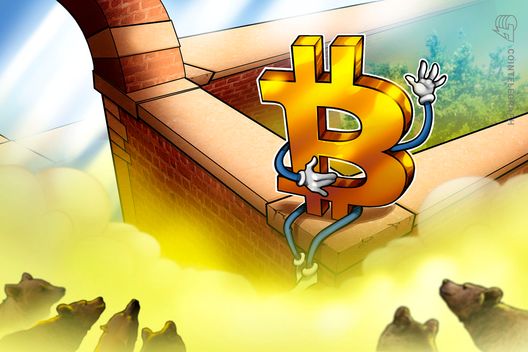
Bitcoin has recently experienced a surge, breaking past the $72,000 mark. This rally coincided with reports of significant liquidations targeting bearish positions in the market. The move upwards also happened alongside a broader market rally spurred by reports suggesting de-escalation of geopolitical tensions between the US and Iran.
The liquidation of short positions suggests a shift in market sentiment, potentially fueled by the perceived reduction in geopolitical risk. However, it's important to examine the underlying data closely to determine the sustainability of this upward trend. A key consideration is whether bearish investors have truly exited the market or are simply waiting for an opportune moment to re-establish their positions.
Expert View
As a senior crypto/markets analyst for Next Insight Lab, my perspective is that while the recent price action is undeniably positive, caution is warranted. The correlation between geopolitical events and crypto market movements has become increasingly pronounced. Any re-emergence of tensions could easily trigger a correction. The fact that a substantial amount of bearish positions remain open implies that a significant number of investors are still betting against Bitcoin, which represents a potential source of downward pressure.
Furthermore, the liquidation cascade itself can create a temporary and potentially unsustainable price surge. Once the short positions are covered, the buying pressure subsides, leaving the market vulnerable to profit-taking and a subsequent pullback. We need to see sustained organic buying interest beyond the short squeeze to confirm a genuine bullish trend.
What To Watch
Several key factors will influence Bitcoin's trajectory in the coming weeks. Firstly, monitoring geopolitical developments remains crucial. Any escalation of conflicts could quickly reverse the current market sentiment. Secondly, analyzing on-chain data to track the behavior of long-term holders and institutional investors is essential. Increased accumulation by these groups would signal stronger conviction in Bitcoin's long-term prospects.
Thirdly, keep an eye on regulatory announcements and policy changes. Increased regulatory clarity, whether positive or negative, typically has a significant impact on market volatility. Finally, closely follow the performance of traditional financial markets. While Bitcoin is often touted as an uncorrelated asset, it still tends to exhibit some correlation with broader market trends, especially during periods of heightened uncertainty.
In conclusion, while the recent rally is encouraging, the market's "fragile truce" is contingent on a confluence of factors. Prudent investors should remain vigilant and avoid complacency, focusing on data-driven analysis rather than succumbing to short-term hype.
Source: Cointelegraph